
OUR FIRST COLLECTION IS TAKING SHAPE · DISCOVER THE STORIES BEHIND THE OBJECTS
Jowo House

Jowo House · Objects & stories

A little stillness.
A deeper
connection.

Natural stones, thoughtful craft, and the stories of Tibetan Buddhist art. A collection to discover slowly, and keep close.

Explore the collection
Nature’s detail. The maker’s touch.
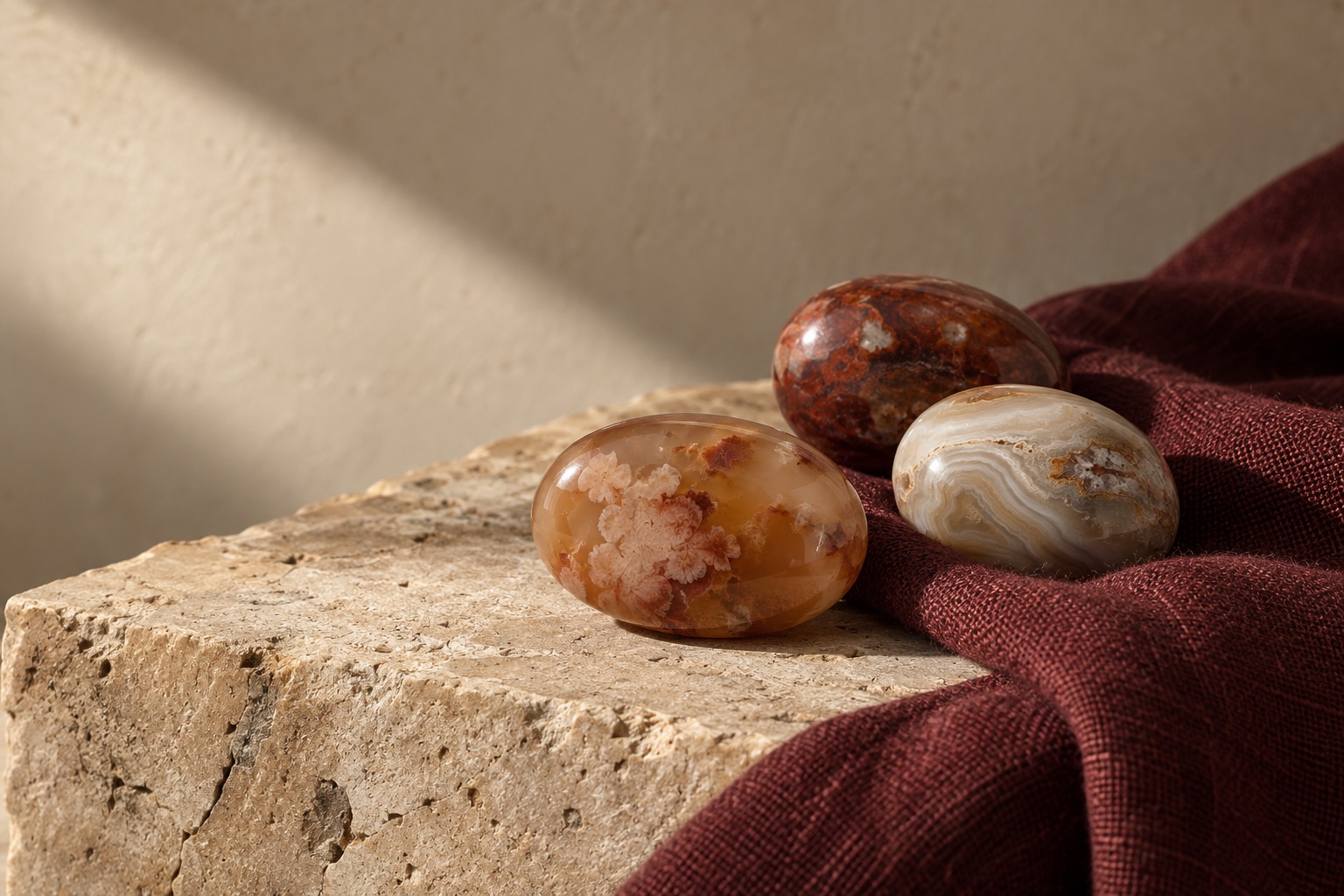
Concept still life of polished Yuhua stones on limestone and burgundy linen
YUHUA STONES · AI-GENERATED COLLECTION STUDY
Natural formsHandmade traditionsStories worth keepingA slower way to collect

01 / The collection, in preparation

Small objects.
Room for meaning.

Begin with the natural patterns of Yuhua stones. Discover the craft and cultural context behind the collection.

Collection imagery is illustrative. Individual pieces, materials, dimensions, provenance and prices will be documented before orders open.

02 / The story behind the object

Before you collect,
come a little closer.

What does an image carry? Why does a small clay form matter? Explore Tibetan Buddhist art through its places, materials and living traditions.

01

Jowo: a name,
a place of devotion.

Inside the story of the Jokhang, and the image at the heart of a long tradition.

Read story +

In Lhasa’s Jokhang Temple, the Jowo Shakyamuni is a deeply revered image of the Buddha. The name of the temple is connected to the image: Jokhang means “house of the Jowo.” It is a useful place to begin understanding how an artwork can also be a focus of devotion.

The statue’s history reaches us through layers of scholarship, inherited accounts and religious tradition. Its earliest origins remain debated. Rather than flattening those accounts into one certain story, we can notice how generations of care and veneration have shaped its meaning.

Further reading: Cameron David Warner, Project Himalayan Art, Rubin Museum. Jowo House is an independent brand; this story does not imply a temple or museum affiliation.

02

Thangka:
more than a painting.

Cloth, pigment and silk — learning to look beyond the surface of sacred art.

Read story +

A thangka invites a slower kind of looking. Begin with its material: some works are painted on cloth, while others are assembled from textiles. At The Metropolitan Museum of Art, a nineteenth-century Tibetan thangka of Kurukulla brings together appliquéd satin, brocade, damask, embroidery and painted details.

That example reminds us that “thangka” is not a single production technique. The surface may hold many different kinds of skilled work. When considering a piece, ask how it was made, what its imagery represents, and what is known about the maker and materials. Each answer makes the object more specific.

Further reading: The Metropolitan Museum of Art — Rescuing the Goddess. Historical museum works discussed here are not Jowo House inventory.

03

The Jokhang:
a story held in a place.

A seventh-century foundation, and a reminder that art belongs to a larger context.

Read story +

The Jokhang Temple Monastery in Lhasa was founded in the seventh century. Today it forms part of the UNESCO World Heritage property known as the Historic Ensemble of the Potala Palace, Lhasa.

A temple is more than the setting for an important image. Architecture, worship and the movement of visitors together give an object its context. Learning about that place can change how we look at a small reproduction or a related work of art: the object becomes an invitation to learn, rather than a substitute for the tradition itself.

Further reading: UNESCO World Heritage Centre — Historic Ensemble of the Potala Palace, Lhasa. Cultural introduction, not a claim of religious authority.

04

Tsa-tsa:
meaning in a small form.

Clay images and the importance of asking about materials, use and provenance.

Read story +

Small clay images known as tsa-tsa appear in Himalayan Buddhist material culture. The Rubin Museum’s discussion of stupas notes that their contents may include sacred texts and clay figures, including some made with the ashes of the deceased.

That is a specific religious context, not a description of every tsa-tsa or a material we claim for our collection. It reminds us to ask precise questions: what is a piece made from, how was it made, and what is known about its intended use? Form alone cannot answer those questions.

Further reading: Rubin Museum — Stupa, collection notes. Materials and provenance must be established for each individual piece.

03 / The Jowo House approach

Care for the object.
Respect for its story.

We are building a collection where the material, the making and the cultural context are given room to speak.

Look closely

Each future listing will describe the specific piece: its materials, size, finish and natural variations.

Ask where it comes from

Maker and provenance details will be shared where verified. Unknown details will stay unknown.

Keep meaning personal

Beliefs and traditions are presented in context. We make no promises of healing, luck or guaranteed outcomes.

A more personal collection

Something meaningful
starts with a conversation.

Our first collection is in preparation. Tell our assistant what you are looking for, or ask about the stories behind the objects.

Jowo HouseAI assistant · Ask in your language

AI responses may need confirmation. Please avoid sharing sensitive information.